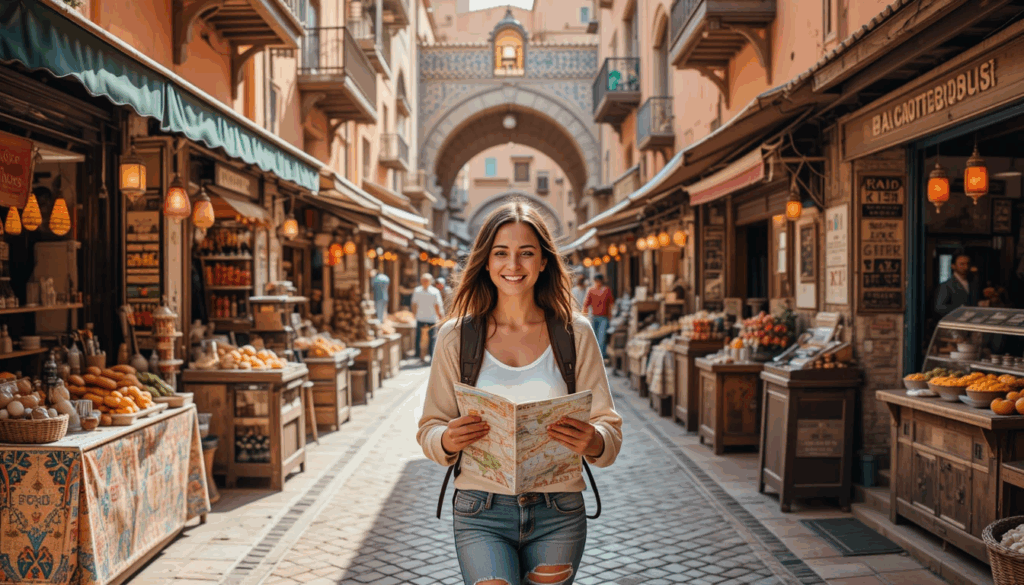
Morocco’s culinary landscape is a tapestry woven from centuries of cultural exchange, where traditional Moroccan dishes tell stories of Berber heritage, Arab influence, and Mediterranean connections. From the aromatic steam rising from tagine pots to the ceremonial pouring of mint tea, Moroccan cuisine represents far more than sustenance—it embodies a living tradition that transforms simple ingredients into extraordinary culinary experiences. These must-try Moroccan foods offer home cooks an opportunity to explore authentic flavors while discovering the cultural significance behind each dish.
Signature Dishes: Deep Dives & Variations
Moroccan Tagines: The Art of Slow Cooking
The tagine stands as Morocco’s most iconic cooking vessel and culinary technique, representing the perfect marriage of form and function. This conical-shaped earthenware pot creates a unique steam circulation system that transforms ordinary ingredients into extraordinary meals through patient, gentle cooking.
The cultural significance of tagine cooking extends beyond mere preparation—it represents a philosophy of communal dining and mindful cooking. Traditional families gather around a single tagine, sharing directly from the vessel using bread as both utensil and accompaniment. This ritual emphasizes the social aspect of Moroccan dining culture.
Essential ingredients define authentic tagine cooking. Ras el hanout, Morocco’s signature spice blend combining up to thirty different spices including cumin, ginger, turmeric, and precious saffron, forms the flavor foundation. Preserved lemons add a distinctive tangy depth that cannot be replicated with fresh citrus, while slow-cooked onions create the sweet base that balances Morocco’s complex spice profiles.
The layering technique proves crucial for successful tagine cooking. Begin with a base of sliced onions, add your protein (lamb, chicken, fish, or vegetables), then carefully arrange vegetables and dried fruits. The final touch involves sprinkling the spice mixture and adding liquid—never too much, as the tagine’s design concentrates and recirculates moisture naturally.
For home cooks without a traditional tagine pot, a heavy-bottomed Dutch oven or casserole dish can substitute effectively. The key lies in maintaining low, steady heat and resisting the urge to frequently lift the lid, which disrupts the steam circulation that makes tagine cooking so effective.
Authentic Couscous: Beyond the Grains
Couscous transcends its role as a simple grain to become Morocco’s national dish, particularly significant during Friday family gatherings. This tradition transforms couscous preparation into a weekly ritual that strengthens family bonds while honoring culinary heritage.
Understanding couscous varieties enhances your cooking repertoire. Traditional Moroccan couscous uses semolina wheat, hand-rolled into tiny granules, though barley couscous offers a nuttier alternative popular in mountainous regions. The preparation method—steaming rather than boiling—creates the light, fluffy texture that distinguishes authentic couscous from instant varieties.
The seven-vegetable couscous represents Morocco’s most celebrated version, combining seasonal vegetables like carrots, turnips, zucchini, and cabbage with aromatic herbs and spices. Each vegetable requires specific timing to achieve perfect doneness, demonstrating the skill required for masterful couscous preparation.
Moroccan Pastries & Sweets: Chebakia and Gazelle Horns
Moroccan pastry-making represents an art form requiring patience, skill, and respect for tradition. Chebakia, those intricate rose-shaped pastries glazed with honey and sprinkled with sesame seeds, become essential during Ramadan celebrations. Their preparation involves multiple steps: creating paper-thin dough, cutting precise patterns, frying to golden perfection, then coating with honey infused with orange blossom water.
Gazelle horns (cornes de gazelle) showcase the delicate balance between almond paste filling and thin pastry shells. These crescent-shaped delicacies require careful handling to achieve their characteristic shape while maintaining structural integrity during baking.
The craftsmanship involved in these pastries connects modern bakers with generations of Moroccan confectioners who perfected these techniques through centuries of practice. Each family often guards specific variations, creating subtle regional differences in preparation methods and flavor profiles.
Soups & Salads: Harira, Zaalouk, and Traditional Accompaniments
Harira soup embodies Morocco’s approach to nourishing, complex flavors within a single bowl. This tomato-based soup, enriched with lentils, chickpeas, and tender meat, traditionally breaks the Ramadan fast each evening. The preparation involves slowly building layers of flavor through careful timing—sautéing onions and celery, blooming spices, then gradually adding tomatoes, legumes, and aromatics.
The secret to exceptional harira lies in the tadouira, a final enrichment made from beaten eggs, flour, and lemon juice that thickens the soup while adding silky richness. Fresh cilantro and parsley, stirred in just before serving, provide bright color and fresh herb notes that balance the soup’s warming spices.
Zaalouk, Morocco’s beloved eggplant salad, demonstrates how simple vegetables transform through proper technique. Charring eggplants over open flame imparts essential smoky flavor, while the combination of tomatoes, garlic, and Moroccan spices creates a complex salad that improves with time as flavors meld.
Moroccan Street Food: From Market to Home Kitchen
Morocco’s bustling markets overflow with enticing street foods that capture the country’s culinary spirit in portable, affordable formats. Msemen, those flaky, layered flatbreads cooked on griddles, require masterful dough stretching techniques that create dozens of paper-thin layers.
Harcha, semolina-based griddle breads with a distinctively crumbly texture, showcase the importance of proper ferrah (traditional griddle) technique. The key involves achieving the perfect balance between crispy exterior and tender interior through careful heat management.
Sfenj, Morocco’s answer to donuts, demonstrate how simple ingredients—flour, water, salt, and yeast—transform through proper fermentation and frying technique into irresistible breakfast treats. The stretching technique required to achieve sfenj’s characteristic shape requires practice but rewards patient learners with authentic results.
Moroccan Culinary Staples & Techniques
Essential Spices Explained
Understanding Moroccan spices unlocks the door to authentic flavor development. Cumin provides earthy foundation notes, while saffron contributes subtle floral complexity and golden color worth its weight in gold. Ginger adds warming heat without aggressive spiciness, and turmeric contributes both color and subtle earthiness.
Ras el hanout, literally meaning “head of the shop,” represents each spice merchant’s signature blend. Traditional versions might include rose petals, lavender, or even small amounts of hashish (though modern versions omit this ingredient). Creating your own ras el hanout allows customization while ensuring freshness—the key to vibrant spice flavors.
Proper spice storage and preparation significantly impact final dish quality. Whole spices maintain potency longer than ground versions, making a spice grinder or mortar and pestle essential tools. Toasting whole spices before grinding releases oils and intensifies flavors, while proper storage in airtight containers away from light preserves their potency.
Marinades & Flavor Bases: Chermoula and Harissa
Chermoula, Morocco’s versatile herb-based marinade, transforms proteins and vegetables through its blend of cilantro, parsley, garlic, lemon juice, and spices. Traditional preparation involves hand-chopping herbs to maintain texture, though modern food processors offer convenience for busy home cooks.
Harissa, while originally Tunisian, has found its place in Moroccan kitchens as a complex chili paste. Making harissa from scratch involves soaking dried chilies, then blending with garlic, spices, and olive oil to create a paste that keeps for weeks when properly stored under a layer of olive oil.
Preserved Lemons: The Secret Ingredient
Preserved lemons represent one of Morocco’s most distinctive flavor contributions, providing a unique combination of saltiness, sourness, and floral notes that fresh lemons cannot replicate. The preservation process transforms bitter lemon rinds into silky, intensely flavored ingredients that dissolve into sauces and tagines.
Making preserved lemons requires only lemons, coarse salt, and patience. The traditional method involves cutting lemons partially, stuffing with salt, then packing tightly in jars. After several weeks of curing, the rinds become translucent and intensely flavored, ready to add incredible depth of flavor to countless Moroccan dishes.
Traditional Cooking Methods
Understanding traditional Moroccan cooking methods enhances your ability to recreate authentic flavors at home. The tagine’s unique design creates a natural steam circulation system that concentrates flavors while maintaining moisture. The wide, shallow base allows for proper browning, while the conical lid ensures even heat distribution.
The ferrah, traditionally used for cooking harcha and msemen, can be replicated using a well-seasoned cast iron griddle or heavy skillet. The key involves achieving even heat distribution and maintaining proper temperature throughout the cooking process.
Cultural & Ceremonial Food
Moroccan Mint Tea Traditions
Moroccan mint tea, affectionately known as “Berber whiskey,” represents more than refreshment—it embodies hospitality, ceremony, and cultural identity. The preparation ritual involves specific steps that demonstrate respect for guests and tradition.
The tea base uses Chinese gunpowder green tea, chosen for its strong flavor that balances mint’s intensity. Traditional preparation involves rinsing tea leaves briefly to remove bitterness, then adding fresh spearmint (never dried) and beetroot sugar for sweetness and color enhancement.
The ceremonial pouring technique, performed from height to create foam, serves both practical and aesthetic purposes. The high pour aerates the tea while creating an impressive display that honors guests. Three glasses are traditional—the first somewhat bitter, the second perfectly balanced, and the third sweet, representing life’s progression from difficulty through balance to sweetness.
Food for Festivities & Family Gatherings
Ramadan transforms Moroccan kitchens into centers of intensive preparation, with specific dishes marking different aspects of the holy month. Harira soup and chebakia pastries become essential iftar (fast-breaking) foods, while special preparations like sellou (a nutritious mixture of toasted flour, almonds, and sesame seeds) provide sustained energy for pre-dawn meals.
Wedding celebrations showcase Morocco’s most elaborate culinary presentations, often featuring multiple courses that progress from delicate pastries through substantial tagines to ceremonial tea service. These occasions demonstrate cooking skills passed down through generations while celebrating community bonds.
Regional Moroccan Cuisine Spotlights
Fes: Morocco’s Culinary Capital
Fes maintains its reputation as Morocco’s culinary heart, where traditional techniques persist with minimal compromise to modern convenience. The city’s medina contains generations-old bakeries, spice merchants, and specialty food artisans who preserve authentic preparation methods.
Fes-style pastilla represents the city’s sophisticated approach to combining savory and sweet elements. This elaborate pie, traditionally made with pigeon (though chicken substitutes acceptably), demonstrates the city’s commitment to complex, time-intensive preparations that reward patient cooks with extraordinary results.
Marrakech: Where Performance Meets Food
Marrakech’s Djemaa el-Fna square transforms each evening into Morocco’s largest outdoor restaurant, where food vendors create theatrical displays while preparing traditional dishes. This performance aspect influences local cooking culture, emphasizing visual presentation alongside authentic flavors.
The city’s tagines often incorporate more dried fruits and nuts than other regions, reflecting Marrakech’s historical role as a trading center where exotic ingredients arrived from sub-Saharan Africa and the Mediterranean.
Coastal Cities: Seafood Specialists
Morocco’s Atlantic and Mediterranean coastlines produce distinctive seafood-focused cuisines that contrast with interior regions’ meat-heavy traditions. Coastal tagines feature fresh fish with preserved lemons and olives, while grilled sardines showcase simple preparation methods that highlight ingredient quality.
Essaouira’s famous fish tagines demonstrate how coastal cooks adapt traditional techniques to accommodate delicate seafood, using shorter cooking times and gentler spices that complement rather than overwhelm fish flavors.
Northern Morocco: Spanish Influence
The northern regions, particularly around Tetouan and Chefchaouen, show clear Spanish influence in their cooking techniques and ingredient choices. These areas utilize more olive oil than other regions, while incorporating Spanish-inspired preparations alongside traditional Moroccan methods.
The cost of unexplored destinations in Morocco often surprises travelers, as these northern regions offer exceptional culinary experiences at prices significantly lower than more touristy southern destinations, making them ideal for food-focused travel.
Conclusion
Traditional Moroccan dishes represent far more than recipes—they embody centuries of cultural evolution, family traditions, and culinary artistry. From the patient slow-cooking of tagines to the ceremonial preparation of mint tea, these must-try Moroccan foods offer home cooks opportunities to connect with authentic flavors while honoring the cultural significance behind each dish.
The techniques, ingredients, and cultural context explored in this guide provide the foundation for recreating genuine Moroccan flavors in your own kitchen. Whether you’re drawn to the complex spice blends of ras el hanout, the communal dining experience of shared tagines, or the ceremonial aspects of mint tea preparation, Moroccan cuisine offers endless opportunities for culinary exploration and cultural appreciation.
Embracing these traditional Moroccan dishes means accepting the slower pace they require, understanding that the best flavors develop through patience, quality ingredients, and respect for time-honored techniques. In our fast-paced modern world, this approach to cooking offers both delicious results and meaningful connection to one of the world’s great culinary traditions.