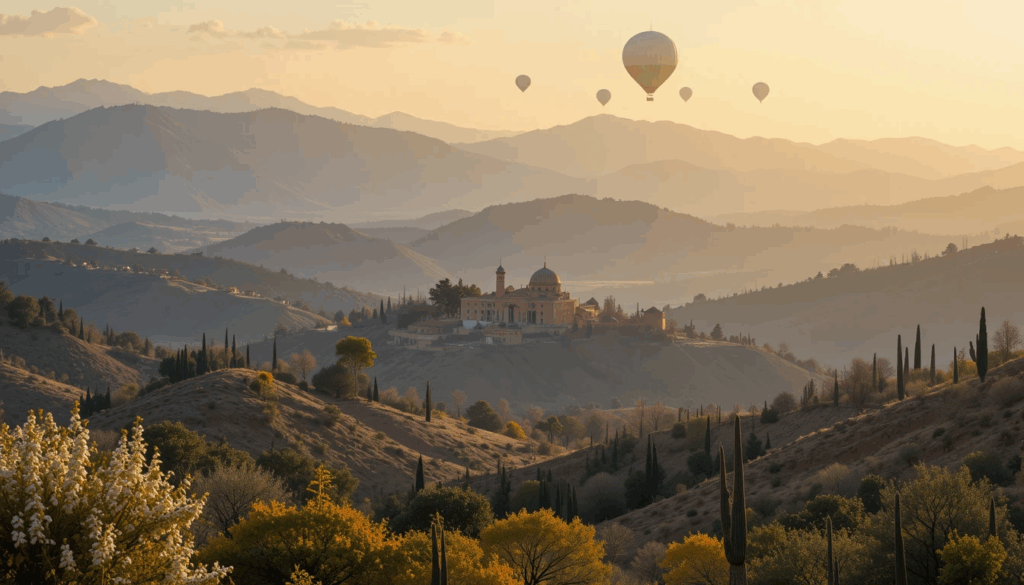
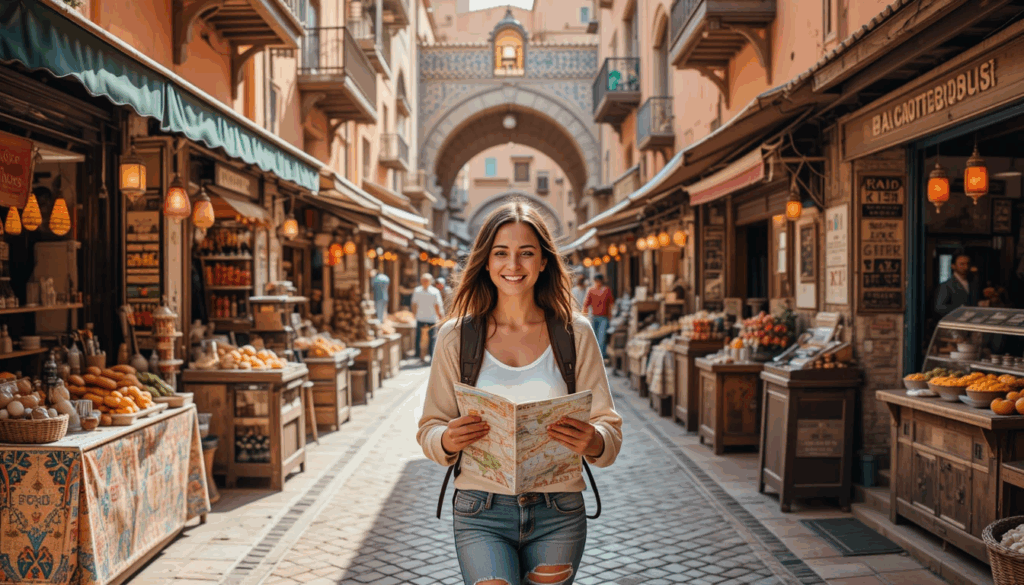
Morocco attracts travelers from all over the world with its rich history, lively culture, and stunning landscapes. Whether it’s ancient medinas, deserts, or mountains, Morocco offers a mix of sights that guarantee adventure and authenticity. For first-timers, planning the perfect trip can seem overwhelming. You want to see the highlights but also experience the country like a local. That’s why this guide covers the top 10 must-visit Places in Morocco. Use it to create an unforgettable journey filled with stunning sights and cultural treasures.
Explore the Historic Heart of Morocco: Marrakech
The Majestic Jemaa el-Fnaa Square
This lively square is the pulse of Marrakech. It’s a UNESCO World Heritage site and a hub of daily life. Think bustling markets, street performers, and storytellers. Visit early in the morning or late at night to avoid the crowds. Make sure to explore the nearby stalls selling spices, lanterns, and crafts. Don’t miss taking a quick peek at snake charmers or street musicians — it’s part of the magic.
The Saadian Tombs and Bahia Palace
Step back in time as you visit the Saadian Tombs, built in the 16th century, with intricate Islamic architecture. It’s a peaceful spot amid the busy city. Next, wander into the Bahia Palace, a stunning mansion that shows Morocco’s regal past. Both sites are open daily, but arrive early to dodge the rush. Take your time appreciating the detailed tile work and lush gardens.
Koutoubia Mosque and Gardens
The Koutoubia Mosque with its tall minaret is an iconic symbol of Marrakech. It’s visible for miles and a spiritual landmark for locals. Visitors can admire the minaret from the outside — remember, non-Muslims can’t enter the prayer hall. Around the mosque, you’ll find peaceful gardens perfect for photos. It’s also conveniently close to other attractions, making it a great first stop.
Discover the Imperial Cities: Fes and Rabat
Fes: The Spiritual and Cultural Capital
Fes El-Bali Medina
Lose yourself in Fes’s biggest treasure — the ancient Medina. It’s the largest car-free urban area in the world, so explore on foot. Narrow alleys lead to vibrant markets, old mosques, and ancient tanneries. Don’t try to take everything in at once. Take guided tours to learn about the city’s rich history and hidden corners. Be sure to visit the leather tanneries for a colorful, authentic experience.
Al Quaraouiyine University
Founded in 859 AD, it’s the oldest existing degree-granting university on earth. Tours are usually available for visitors interested in Morocco’s intellectual history. Respect the rules — modest dress and silence are appreciated here. It’s a quiet reminder of Morocco’s long-standing role as a center for knowledge.
Rabat: Morocco’s Modern Imperial City
Kasbah of the Udayas
This ancient fortress sits atop the Atlantic Ocean and offers sweeping views of the coast. Walk along its narrow streets lined with blue-painted houses and enjoy scenic viewpoints. Inside, visit the Andalusian Gardens or relax in shaded courtyards. The Kasbah is ideal for those who love history mixed with seaside charm.
Hassan Tower and Mohammedia Mausoleum
Hassan Tower stands as Morocco’s unfinished minaret, built in the 12th century. Nearby, you’ll find the tomb of King Muhammad V. Guided tours help explain the history behind these marvels. Both sites are accessible most days, and the surrounding park makes for a peaceful stroll.
Experience the Enchanting Sahara Desert
Merzouga and Erg Chebbi Dunes
In Merzouga, the Sahara’s golden dunes stretch for miles. Camel rides at sunset create breathtaking photos. Best times to visit are spring or fall when temperatures are comfortable. Pack light, warm layers for chilly nights, and book overnight desert camps in advance. Watching the stars from the dunes is an unforgettable experience.
Oases and Traditional Villages
Small Berber villages like Rissani and Tamegroute give a glimpse into desert life. Here, you can see traditional crafts such as carpet weaving and pottery. Guided tours often include local interactions, providing cultural insights. Visiting these villages adds depth to your desert trip.
Tips for Desert Travel
Choose reputable tour operators for safety. Always carry essentials like water, sunscreen, and a hat. Try to catch sunrise and sunset in the dunes — they’re magic moments. Respect local customs and take plenty of photos without disturbing the environment.
Marvel at the Stunning Landscapes: Atlas Mountains and Coastal Gems
The High Atlas and Toubkal National Park
Hiking in the High Atlas offers incredible mountain scenery. Mount Toubkal is North Africa’s highest peak at 13,671 feet. Guided hikes are recommended, especially if you’re new to trekking. Pack sturdy shoes, warm clothing, and plenty of water. The best climbing seasons are spring and fall, avoiding winter snow and summer heat.
Essaouira and Atlantic Coast
This laid-back seaside town is perfect for windsurfing, surfing, or just relaxing. Its medina is full of historic whitewashed buildings, seafood restaurants, and artisan shops. Come during the local festivals for a lively experience. The beaches here are some of the best along the Atlantic, with endless opportunities for water sports.
Uncover the Vibrant Culture and Markets
The Souks of Marrakech and Fes
Wander through markets bursting with handcrafted jewelry, ceramics, spices, and textiles. Bargaining is part of the fun, so don’t hold back. Smell spices and listen to the chatter of vendors — it’s a sensory adventure. Bring cash, and be respectful while negotiating.
Moroccan Cuisine and Food Tours
Eat your way through Morocco’s food markets, sampling tagine, couscous, and fresh olives. Cooking classes are popular, offering hands-on experience with Moroccan flavors. Don’t miss trying street food like grilled kebabs or Moroccan mint tea — they’re delicious.
Festivals and Events
Attending events like Mawazine Music Festival or Marrakech International Film Festival can deepen your cultural experience. Check the dates before visiting and plan ahead to secure tickets or join local celebrations. These festivals showcase Morocco’s lively arts scene.
Practical Tips for First-Time Travelers
- Check visa requirements before traveling to Morocco.
- The best times to visit are spring (March to May) and fall (September to November).
- Wear modest clothing, especially when visiting religious sites.
- Use reputable transportation options like trains, buses, or rental cars.
- Options for accommodation range from traditional riads to luxury hotels — choose what suits your style and budget.
Conclusion
Morocco is a land of contrasts and surprises. From lively markets to peaceful deserts, its diversity makes every traveler’s dream come true. Planning your trip so you can see the historic sites, natural wonders, and vibrant culture will give you a real taste of Morocco. Don’t just stick to the popular spots — explore beyond them. An authentic Moroccan adventure awaits those ready to discover its hidden gems. Pack your bags and get ready to fall in love with this beautiful country.